
Reach Your
Career Goals
Start your career journey with Design Resumes
Design Resumes Approach
Imagine a collaborative process where we work together to create your strategic plan, job stories, resume, targeted cover letters, and Linkedin profile.
Trying to decide if you need the help of a resume writer or career marketing professional to make you more successful in your job search?
Discover how you can win your next new role or promotion and join the thousands of other happy job winners who celebrated by saying, "I landed!"

You see everything develop
in real-time.
Discover how you can win your next new role or promotion and join the thousands of other happy job winners who celebrated by saying, "I landed!"

Your value
to the employer
Your branding is focused on your value as perceived by your future employer.

Compelling
Content
Your resume stories become compelling content for your LinkedIn profile, cover letters, executive bios, and other career marketing materials.

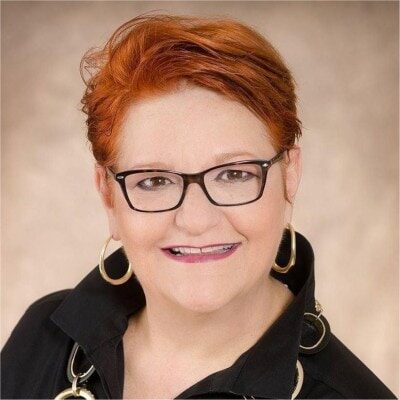
Julie Walraven
Multi-Certified Professional Resume Writer gifted in writing the resume stories of executives, directors, managers, and new graduates.
Here are ways I can help you land your dream job.
You may be halfway across the country or the world. When you work with me, we share coffee, laughs, and concerns. This turns the scary job search into creative, consultative writing, executive resume design, and learning sessions.
Julie is one of the best in the resume and coaching business that I have ever met and I recommend her to my business colleagues on a consistent basis without hesitation. She has a unique approach and doesn’t simply provide an exercise where she has you complete some type of form.
Julie gets to know her clients and, in a collaborative fashion, she creates your story while helping you to understand your strengths. For Career Marketing, there are none better than Julie!
Susan Barker
SVP • Global Technology Operations

What Our Clients Say About Us!
Working with Julie gives me a sense of empowerment! She helps you see your accomplishments in a different way. Always a pleasure to hear from Julie what's new in her business and how many people have used her talents to move forward in their industry!
Her attention-to-detail is fantastic. She will go the extra mile to make sure your goals, accomplishments, and industry background are positioned in a way to give the interviewer a full picture of who you are.
Teresa Borja Martinez
Senior Business Development Manager, Nevada
My name is Maureen Sykora and I have been blessed by Julie’s expertise for the past three years.
Julie not only helped me find the right career path, but she also empowers me with insight and professional growth on a weekly basis.
I truly believe your career coach becomes even more valuable once you have the job you desire. Continual growth and inspiration will follow you with Julie!
Maureen Sykora
Insurance Broker - Island Insurance Girl, Texas

Resume Design and Job Seeking Tips
Here are Design Resumes' latest articles on job search, executive resume design, resume writing, and Linkedin optimization articles I've written.



I give Julie the highest recommendation. To be honest, I didn’t know what to expect from a resume writing service.
She went above and beyond to help me achieve my goal of landing a new job.
If you don’t take advantage of her services you are missing out on a higher salary or landing a dream career.
Andre Little
Database Administrator — Events Logistics | Facilities IT Administrator, Florida
I was headed into a transition. I had worked hard on my resume, but was not getting the traction I was expecting. Turns out that my resume template from college (20ish years ago) was garbage. Julie asked me a bazillion questions, waived her synonym wand around, sprinkled in some color, tweaked some settings I (a 30yr MS Word user) had no idea existed and PRESTO CHANGE-O... a masterpiece!
I believe that this update to my resume, mindset, and LinkedIn profile was crucial to accurately communicating my value proposition and worth. This realignment was the key that unlocked a meaningful pay increase and entry into a sector I had been chasing for months.
Your loss if you don't engage Julie immediately, not mine!
Robert Nichol Jr. , CPSM
Procurement Manager • Washington DC & Baltimore Area


After an exhaustive search for a resume service, I found Julie Walraven with Design Resumes. After speaking with Julie, she wasted no time getting started and keeping me on track. Her keen ability to get to know her clients both on personal and professional level allows her to find your best qualities to shine in the resume.
Ann Marie Morris
Director of Brand Creative
If you are curious about working with me, let's have a conversation!
I would love to speak with you on Zoom or over the phone. Until we talk, you don't know if you can work with me or I with you.
Let's have a conversation, no pressure, just a friendly chat about how I work and what you need to succeed. Bring your coffee, water, or drink of choice!
Talk Soon!
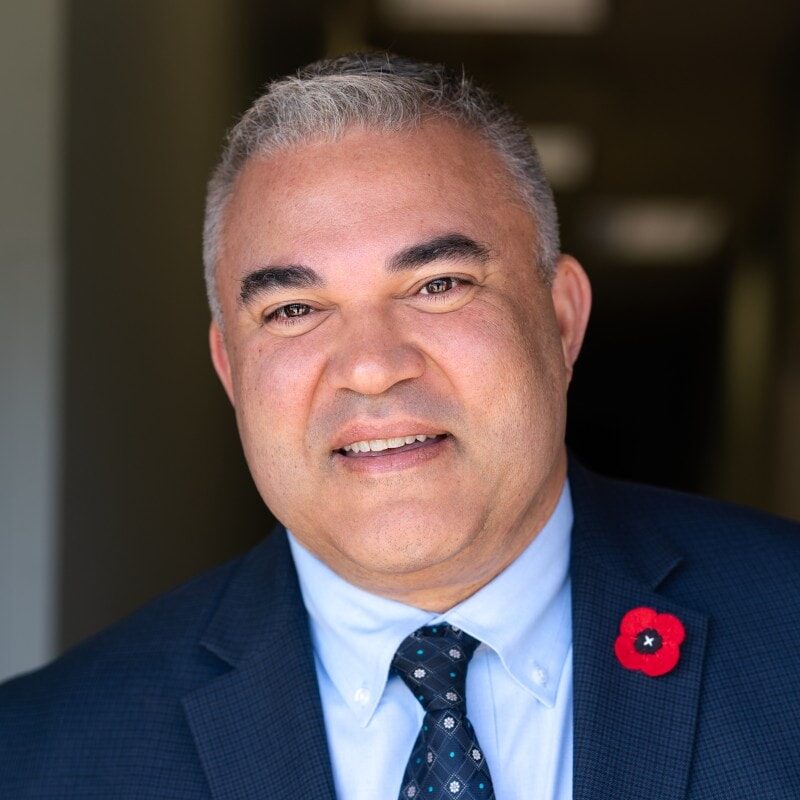
I am thrilled to write this recommendation for Julie Walraven, an extraordinary and innovative master resume writer. I had the privilege of working with Julie, and I can confidently say that she is a true professional in her field. Julie possesses a unique talent for not only crafting exceptional resumes but also for guiding individuals through their career journeys in real-time using Zoom.
Julie's approach is truly exceptional. She goes beyond the conventional resume writing process by working directly with you, which sets her apart in the industry. Through her personalized coaching and Zoom sessions, Julie helped me identify my unique story and individual strengths. Her ability to uncover your strengths and experiences is nothing short of remarkable. Julie's guidance not only helped me put my best foot forward on paper but also empowered me to move forward with transitioning from a 25-year career in law enforcement and move forward in transitioning to the private sector with newfound confidence.
Julie's commitment to her clients is evident in her dedication and enthusiasm. She is a great listener and takes the time to understand your background, goals, and aspirations. Julie's attention to detail, combined with her profound knowledge of resume writing, ensures that your resume not only showcases your achievements but also resonates with your unique personality and professional journey.
In a world where career transitions and advancement are crucial, having a talented and experienced partner like Julie Walraven is invaluable. She has a genuine passion for helping individuals succeed, and her expertise in resume writing and career coaching is unmatched.
I wholeheartedly recommend Julie to anyone seeking to revamp their resume, define their professional narrative, and gain a competitive edge in today's job market. Julie Walraven is not just a resume writer; she is a career strategist and a dedicated partner in your professional growth.
Kenneth Jones
Technology Executive